
Geography
At Mary Exton Primary School, our Geography curriculum develops pupils’ curiosity about the world and their understanding of the physical and human processes that shape it. Learning begins with the children’s immediate environment and local area before expanding to the United Kingdom, Europe and the wider world. Through a carefully sequenced curriculum, pupils build strong geographical knowledge, vocabulary and skills, including map use, fieldwork and enquiry. Our geography teaching helps children understand the interconnectedness of people, places and environments, enabling them to think critically about global issues and their role within the world.
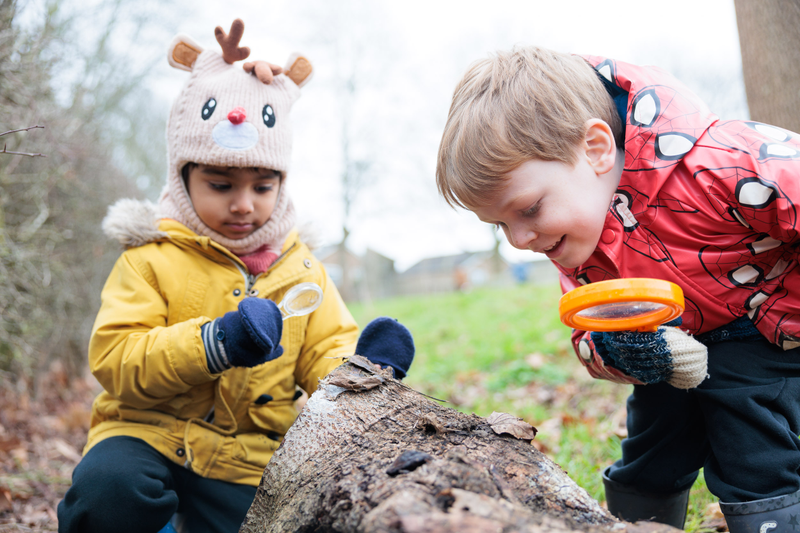
Useful Links and Curriculum Documents
Below are key documents that provide a clear overview of our Geography curriculum at Mary Exton Primary School. They outline the progression of knowledge, skills, and geographical understanding from Reception to Year 6, showing how pupils develop their ability to investigate places, understand environments, and make sense of the world around them. These documents also demonstrate how our curriculum meets statutory National Curriculum requirements, including the study of human and physical geography, locational knowledge, and geographical skills such as mapping, data collection, and analysis. Additionally, they highlight how enrichment opportunities—such as fieldwork, outdoor learning, and cross-curricular projects—support pupils to apply their geographical knowledge in real-world contexts. Together, these resources provide a comprehensive view of how Geography is planned, delivered, and assessed, ensuring that all children can participate, progress, and develop a lifelong curiosity about the world.
| Whole School Geography Curriculum Overview | Whole School Geography Skills Progression |


