
Design Technology
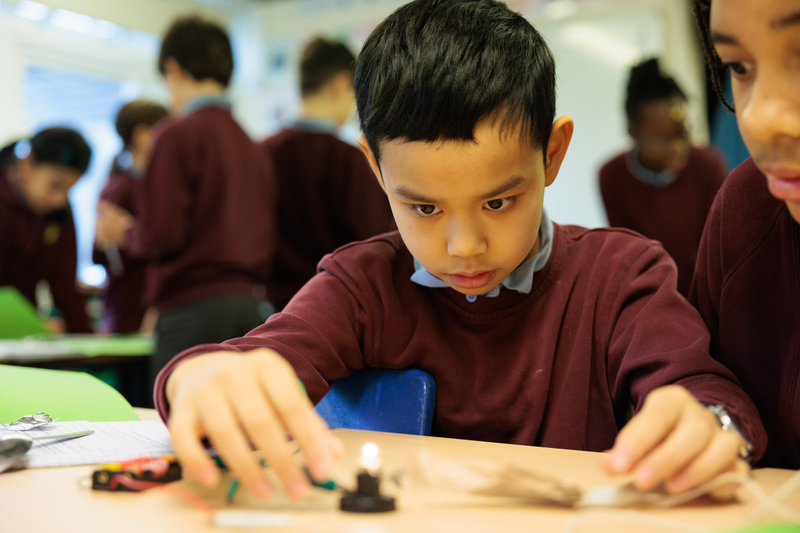
At Mary Exton Primary School, we believe Design Technology equips children with the creativity, resilience and problem-solving skills needed to meet real-life challenges. Our curriculum encourages pupils to think like designers and engineers, developing confidence to innovate, take risks and learn from the design process. Through purposeful designing and making, children gain an understanding of how design and technology shape the world around them while building practical skills that prepare them for future learning and everyday life.
Our Design Technology curriculum, delivered through the Kapow Primary scheme of work, provides a broad and progressive experience from Reception to Year 6. Pupils explore a wide range of contexts, including mechanisms, structures, textiles, cooking and nutrition, electrical systems and the digital world. They develop secure knowledge of materials, tools and techniques while learning how to generate ideas, design, make and evaluate purposeful products that meet a specific need.
Teaching follows a carefully sequenced curriculum that revisits and builds knowledge and skills over time. Each unit combines practical experiences with technical understanding, giving children opportunities to investigate, plan, create, test and refine their ideas. Knowledge organisers and subject-specific vocabulary support learning and retrieval, while meaningful links with subjects such as science, mathematics, computing and art strengthen understanding across the curriculum. Ongoing assessment through observation, discussion and evaluation enables teachers to monitor progress and ensure all pupils develop the confidence to design, make and evaluate products safely, thoughtfully and independently.
Useful Links and Curriculum Documents
Below are key documents that provide a clear overview of our Design and Technology curriculum at Mary Exton Primary School. They outline the progression of skills, knowledge, and understanding from Reception to Year 6, showing how pupils develop their ability to design, make, evaluate, and improve a range of products. These documents also demonstrate how our curriculum meets statutory National Curriculum requirements, including the development of practical skills, creativity, problem-solving, and understanding of materials, mechanisms, structures, and electrical systems. Additionally, they highlight how enrichment opportunities—such as project-based learning, cross-curricular links, and hands-on workshops—support pupils in applying their design and technology skills in real-world contexts. Together, these resources provide a comprehensive view of how Design and Technology is planned, delivered, and assessed, ensuring that all children can participate, progress, and develop a lifelong confidence in designing and creating.


