
History
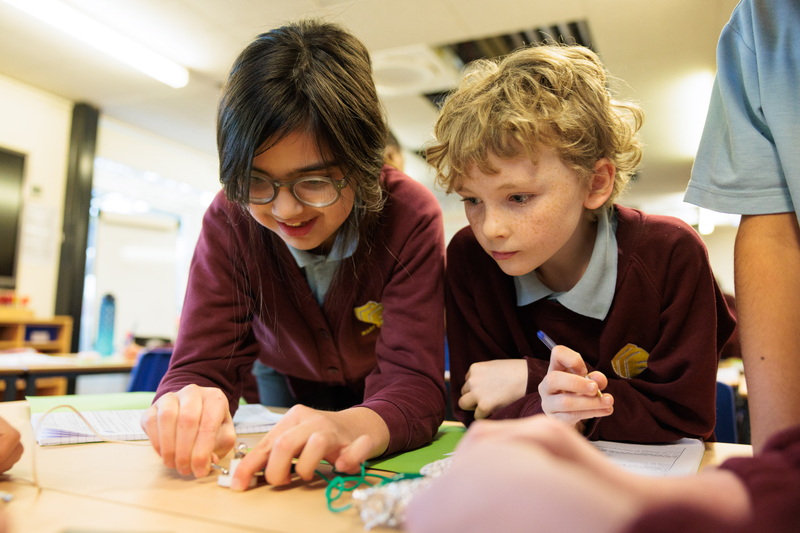
At Mary Exton Primary School, we believe that studying history helps children understand how the past has shaped the world they live in today. Our curriculum encourages pupils to become curious, critical and reflective historians who appreciate that history is built from evidence and that different interpretations can exist. Through exploring the lives of people across different times, cultures and societies, children develop an understanding of how communities have changed and the impact historical events, individuals and systems continue to have on the present. We aim for pupils to develop strong chronological understanding, historical vocabulary and the confidence to question, analyse and evaluate the past, preparing them for successful secondary study and active citizenship.
Our history curriculum is carefully sequenced from Reception to Year 6, following the National Curriculum and our detailed subject progression. Pupils develop their knowledge and understanding through a broad range of historical periods, with learning structured chronologically from personal history and simple timelines in the early years to increasingly complex comparative and evaluative studies in Key Stage 2. An example of this are golden threads, run throughout our curriculum, for example: Crime and Punishment, exploring how societies have defined right and wrong, how laws have been enforced and how justice has changed over time; and Monarchy and Power, examining how authority has been gained, challenged and transferred, and how leadership and governance have shaped societies. These themes allow pupils to make meaningful connections between different periods and understand how power structures, belief systems and social rules have evolved.
History is taught through enquiry-led lessons that encourage pupils to investigate key historical questions and develop their skills as historians. Children engage with a wide range of primary and secondary sources, including artefacts, photographs, maps, written accounts and interpretations, learning how to use evidence to support their ideas. Teachers explicitly model historical thinking, supporting pupils to place events accurately on timelines, identify cause and consequence, recognise continuity and change, compare different perspectives and evaluate the significance and reliability of sources. Discussion, debate, role play and written outcomes provide opportunities for children to articulate their understanding clearly using appropriate historical vocabulary. Local history and educational visits are used to enhance learning and help pupils connect national and global history to their own experiences. Ongoing assessment through questioning, discussion and pupils’ work ensures that knowledge and skills are developed progressively, enabling children to leave Mary Exton with a strong foundation in history and a lasting curiosity about the past.
Useful Documents
Below you will find a range of documents that provide an overview of the readng curriculum at Mary Exton Primary School. These include information about what children will be learning in each year group and how reading skills progress as children move through the school, and the expectations for spelling, grammar and handwriting. You will also find guidance on how you can support and encourage a love of reading at home, helping to build confidence, fluency and enjoyment.


